What Exactly Is Cremation?
Cremation is the process of reducing the remains of a human body to ashes (cremationassociation.org). The Western world is thought to have had its first encounter with cremation from the Greeks in 1000 BCE . Warriors who were slain on the battlefield would be burned on a pyre and their ashes taken home (britannica.com).
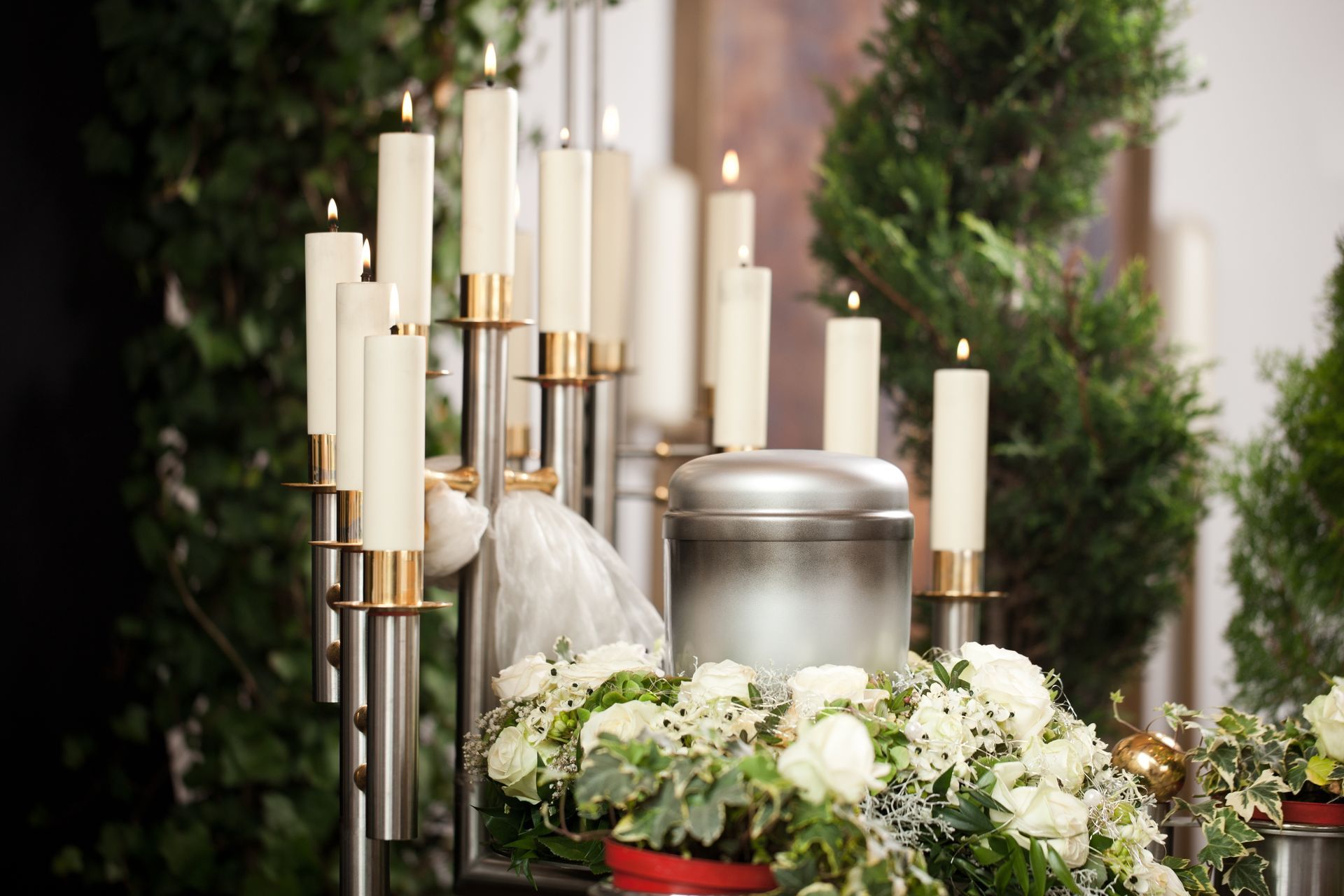
Flame based cremation is the most common type of cremation available today. The remains are placed into a casket of choice, provided that it is combustible. The casket is placed into a cremation chamber where flames and heat are used to reduce the remains to ashes and fragments. This process can take anywhere from 30 minutes to two hours. After cooling, the remains are carefully moved to a processing machine that ensures all fragments are broken down. They are then placed in an urn and returned to the family (cremationassociation.org).
What Exactly is a Burial?
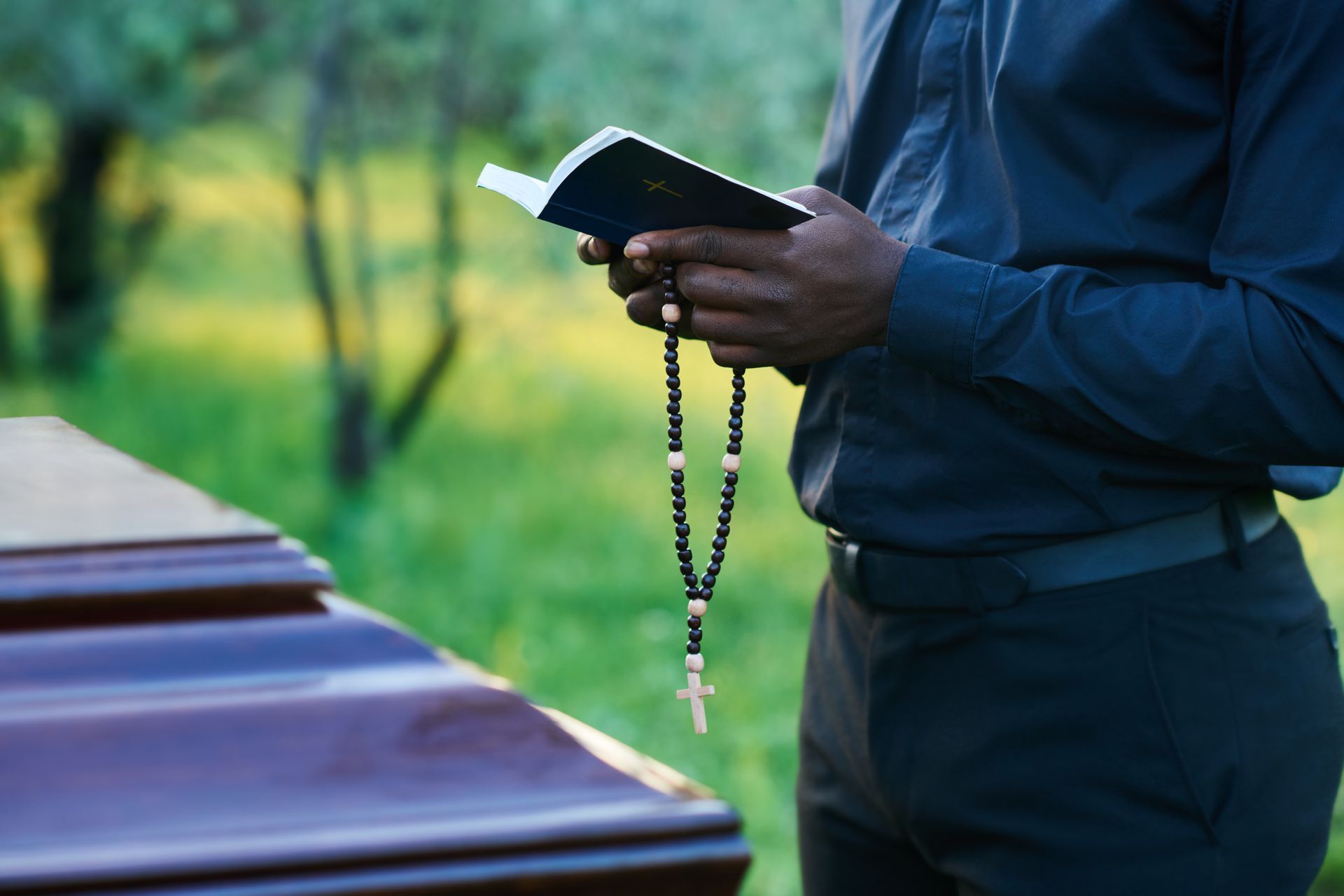
A burial is the act or ceremony of burying the remains of a human body in the ground. The history of burials can be traced back to 5000 BC and possibly earlier, with much evidence of ritual. Many early cultures believed that the souls of the dead went to the underworld, and burying them in the ground was a way to help them get started on the journey (worldhistory.com).
Today, in order to prepare a body for burial, it is cleansed, disinfected, and the limbs are massaged to ease stiffness (www.joincake.com). In the U.S. embalming is often the next step, though it is not required (funeralwise.com). The use of chemicals to preserve the body makes it easier to:
- Transport over long distances.
- Hold open casket viewings.
- Gives the loved ones more time to make arrangements.
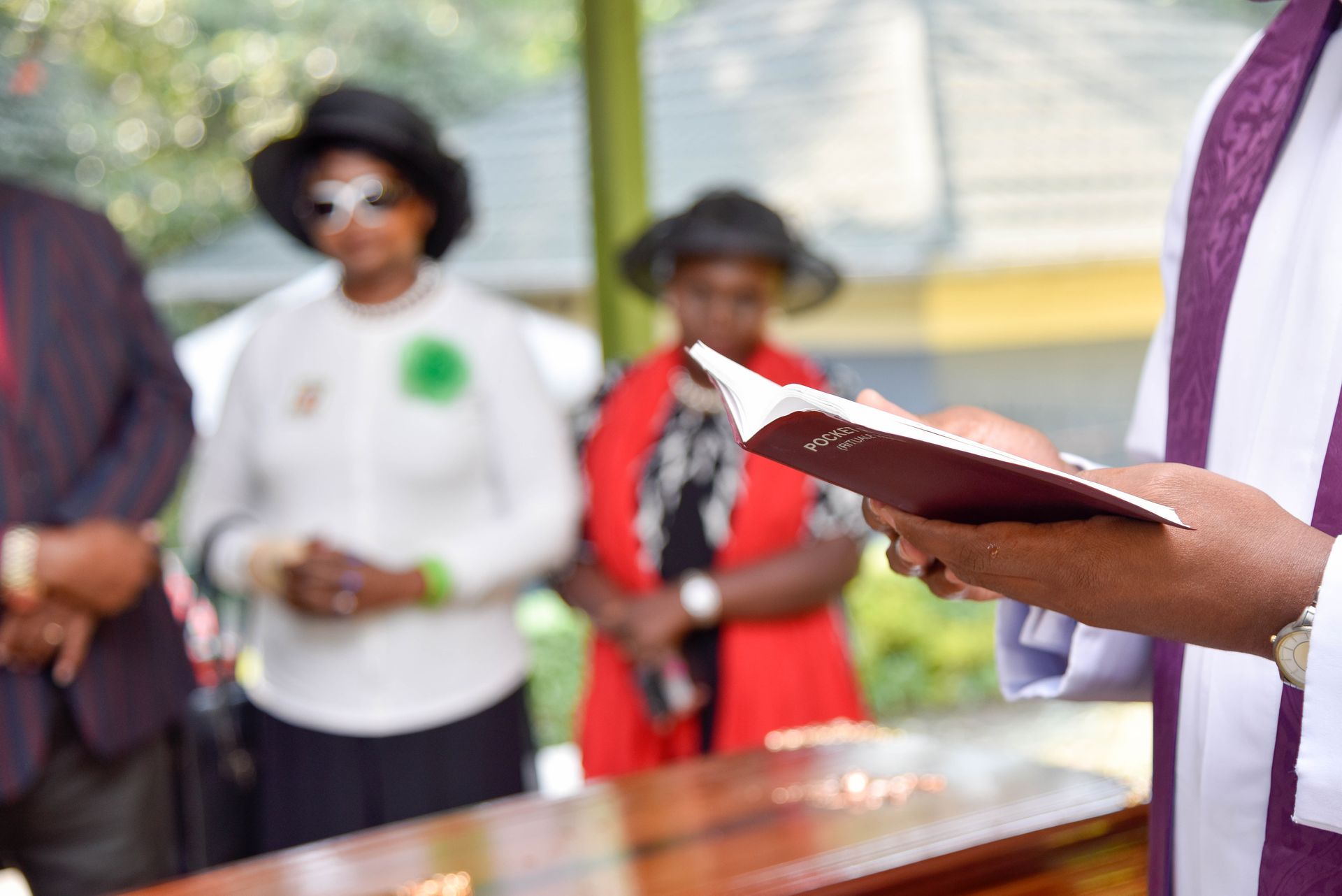
If there is to be an open casket viewing, restructuring, makeup application, hair styling, and dressing will be completed. The body is then placed in a casket. After services, the casket will be placed into a grave that has had a liner or vault installed. The grave is then filled with dirt and a headstone or marker placed on top.
Pros & Cons - Which is Right for You & Your Loved Ones
There are some common factors that are often considered in this decision. These include cost, religious beliefs, and the wishes of the deceased.
The National Funeral Directors Association reported the median cost of a viewing and funeral to be $9,135 (nfda.org). Typical costs included in this figure:
- Transportation of remains
- Embalming services
- Use of facilities for service
- Basic memorial printed package
- Funeral Home Fees
- A casket
- A vault
Funerals do not include cost for items such as:
- Gravesite
- Headstone
- Flowers
- Obituary
According to nfda.org, the median cost of a viewing and cremation is $5150. This price figure commonly includes:
- Transportation of remains
- Embalming services
- Use of facilities for service
- Funeral Home Fees
- Basic memorial printed package
- Cremation fee
Cremation costs do not typically include:
- The casket
- Urn
- Cemetery costs should the family choose to rest the remains there.
Religious beliefs are another consideration that could be a deciding factor. Many Christian denominations that have historically rejected the practice of cremation out of fear that it could hinder the resurrection, have long since embraced the belief that nothing could stop the power of God and moved towards accepting this practice (cremation.com).